


Chronic pain affects millions of adults and can significantly disrupt daily life. Ongoing discomfort may interfere with sleep, reduce work productivity, limit mobility, and impact mental health. For many individuals, pain becomes more than a physical symptom. It becomes a constant source of stress and frustration.
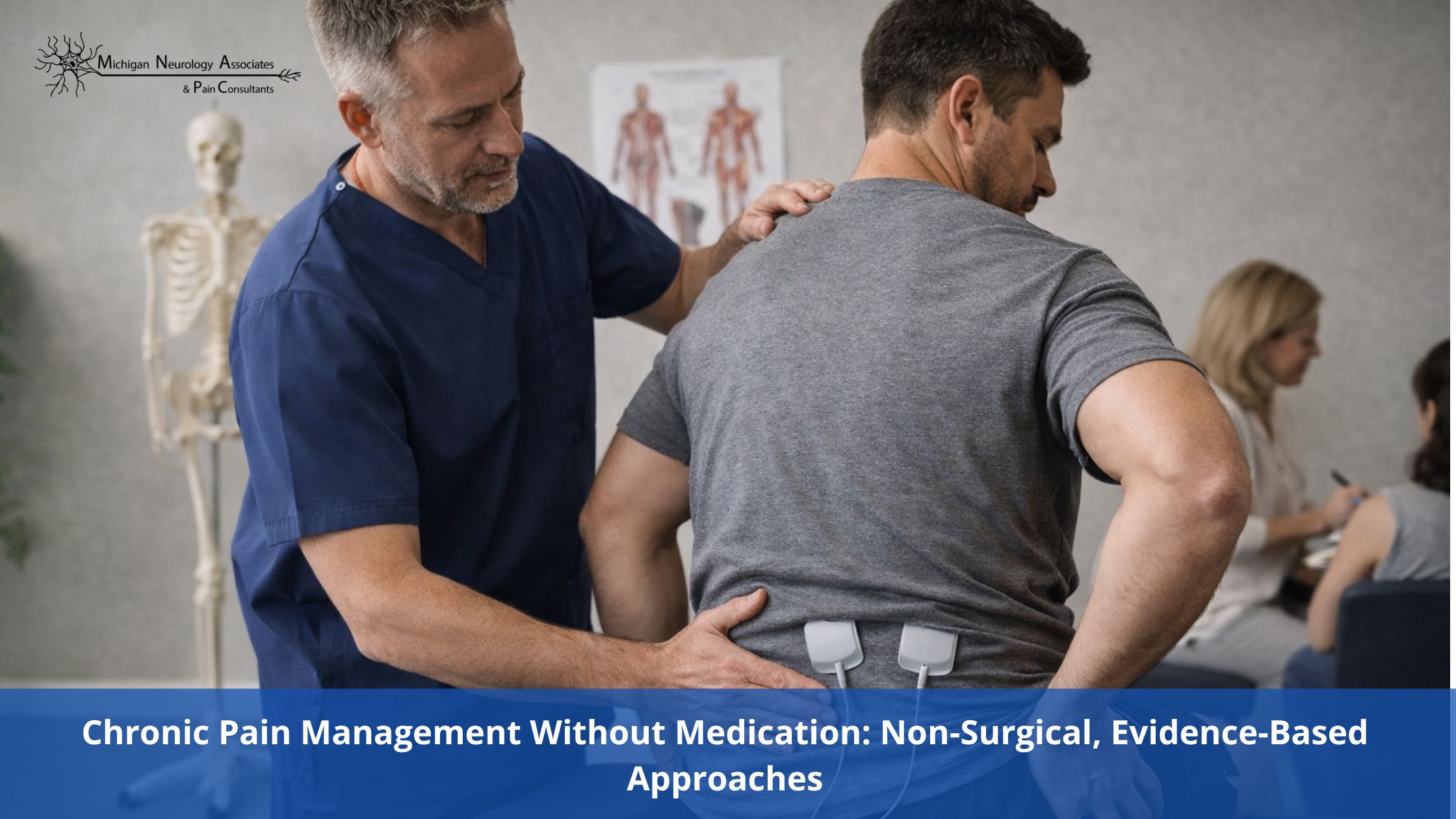
While medication can provide temporary relief, many patients are searching for alternatives to long-term prescriptions or invasive procedures. Concerns about side effects, tolerance, and dependency often lead individuals to explore safer options. Chronic pain management without medication offers a structured, evidence-based pathway focused on addressing the root cause of pain rather than simply masking symptoms.
Pain is considered chronic when it lasts longer than three months. In some cases, discomfort continues even after the original injury has healed. This can occur because of ongoing nerve irritation, altered pain signaling, or central sensitization, where the nervous system becomes overly responsive to stimuli.
Chronic pain is not simply prolonged acute pain. It often involves changes in how the brain and spinal cord process signals.
Several neurological conditions can contribute to persistent pain, including:
While medications may reduce discomfort, long-term use can raise concerns, including:
Many individuals want to improve function rather than temporarily suppress symptoms. Addressing nerve dysfunction and restoring mobility can lead to meaningful, lasting improvement.
There are several options for Chronic Pain Management without Medication:
Structured physical therapy improves strength, flexibility, and posture. Targeted exercises can reduce nerve compression and promote healthier movement patterns. Over time, this approach supports long-term pain reduction and functional independence.
Movement therapy is particularly beneficial for chronic back and neck pain, radiculopathy, and musculoskeletal syndromes.
Pain is processed in the brain. Cognitive behavioral therapy (CBT) helps patients modify how they respond to pain signals. By changing thought patterns and reducing pain-related anxiety, individuals can decrease the intensity and emotional burden of discomfort.
CBT improves coping skills and helps patients regain a sense of control. Neurological pain processing can be influenced by cognitive strategies, demonstrating the powerful connection between the brain and physical sensation.
In some cases, diagnostic or therapeutic injections can target specific pain pathways. Nerve blocks help identify the source of pain and may provide temporary or extended relief.
These procedures offer pain relief without surgery and are often part of a broader, non-surgical treatment plan.
Neuromodulation techniques aim to interrupt abnormal nerve signaling. Options may include:
Chronic pain is influenced by sleep, stress, and inflammation. Evidence-based lifestyle adjustments can complement medical treatment, including:
Many neurological conditions respond well to conservative treatment, including:
Surgery may be appropriate in cases involving:
A Neurologist plays an important role in Non-Surgical Pain Relief procedures:
Accurate diagnosis is the foundation of effective chronic pain management without medication. Neurological evaluation may include:
Pain management is rarely one-size-fits-all. A multimodal approach often provides the best results. Combining physical therapy, neuromodulation, behavioral strategies, and targeted interventions can maximize effectiveness.
Choosing non-surgical, medication-sparing approaches offers several advantages:
There are several steps and stages of a Pain Management consultation:
Your consultation will include a detailed review of:
Based on diagnostic findings, a personalized plan will be created. This may involve:
Chronic pain does not always require lifelong medication or invasive surgery. Evidence-based neurological approaches offer effective chronic pain management without medication by targeting the underlying causes of nerve dysfunction.
Early intervention improves outcomes and reduces the likelihood of pain becoming more complex over time. With a personalized, non-surgical strategy, many individuals can regain control, restore function, and improve daily living.
Looking for pain relief without habit forming medication or surgery? Michigan Neurology Associates provides comprehensive neurological evaluations and structured pain management without surgery tailored to your individual needs.
Our team focuses on safe, evidence-based approaches designed to deliver sustainable improvement. Schedule a consultation today to explore personalized options for long-term pain relief and functional recovery.